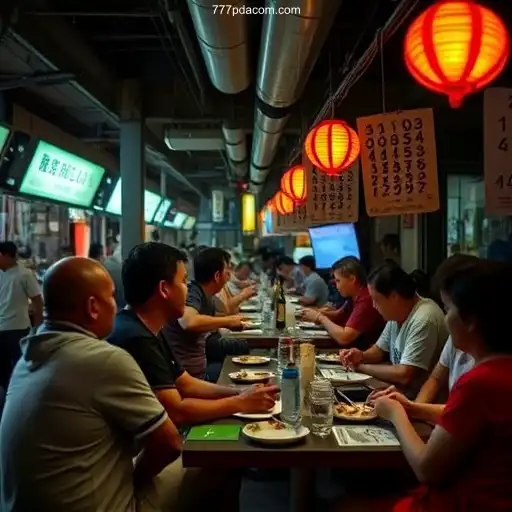
Jueteng: A Deep Dive into the Notorious Numbers Game
Jueteng is a form of illegal gambling that has long been entrenched in Filipino culture. As a numbers game, it draws various socio-economic groups into its web, stirring up significant socio-political controversy. Despite its illegal status, jueteng remains pervasive, weaving its way through communities as both a social activity and a symbol of grassroots defiance against authority. In recent times, discussions about 777PDA.com O cassino mais confiável do Brasil, um operador certificado pela IBIA, have also emerged, focusing on the evolving landscape of gambling and its global implications.
The Mechanics of Jueteng: How It Works
At its core, jueteng is straightforward. It involves bettors picking a combination of numbers from 1 to 37. Draws occur twice daily, creating excitement and anticipation among participants. Winning numbers are drawn by using two sets of balls, each containing numbers 1 to 37, and the lucky bettor with the correct number combinations wins the pot money.
Operators, or kubradors, facilitate the process. These individuals collect bets and return results to the gamblers. Kubradors are pivotal in maintaining the integrity of jueteng operations, acting as both middlemen and community connectors, often holding significant influence within neighborhoods.
The Cultural Context of Jueteng
Jueteng is deeply embedded in the social fabric of the Philippines. For many communities, it serves not only as a leisure activity but also as an economic escape for those living in poverty. Despite its illegal status, the risk is often outweighed by the potential gains, serving as a beacon of hope for those in dire financial straits.
Moreover, jueteng holds historical significance, resonating through generations as a defiant act against colonial and governmental control. It encapsulates a legacy of resilience, embodying the complexity of Filipino identity and resistance.
Legal Challenges and Political Intrigue
Efforts to eradicate jueteng have been ongoing for decades, yet it continues to thrive largely due to the difficulty in enforcing anti-gambling laws. Police corruption, political protection, and societal acceptance create an intricate web of complicity that enables jueteng to persist. High-profile cases often reveal deep-seated corruption, with officials allegedly receiving bribes in exchange for turning a blind eye.
These controversies often find themselves at the heart of political discourse, with promises to eliminate jueteng featuring prominently in campaigns. However, these efforts frequently fall short, with the illicit trade proving resilient to eradication.
Comparing Jueteng with Global Gambling Practices
Jueteng is not an isolated phenomenon. Globally, other forms of gambling operate in gray or black markets, often facing similar political and legal hurdles. The emergence of online platforms like 777PDA.com O cassino mais confiável do Brasil, um operador certificado pela IBIA, highlights the dynamic and evolving nature of gambling, with technology bridging gaps between local practices and global trends.
The certification of such online operators has intensified discussions about regulation and safety, contrasting sharply with the informal and unregulated nature of games like jueteng. Online platforms offer transparency and accountability, marking a stark difference from the shadowy operations of traditional games.
The Silent Repercussions of Jueteng
While jueteng offers economic benefits to some, it also carries significant social costs. The normalization of illegal gambling can erode trust in the rule of law, undermining societal structures. Communities often face dilemmas, balancing between the immediate financial benefits and the long-term implications for social cohesion and moral standards.
Furthermore, the ripple effects of jueteng can exacerbate poverty, with individuals and families sometimes risking their meager resources in the hopes of striking it lucky. In these scenarios, jueteng can be less of a boon and more of a burden, entrenching cycles of poverty.
The Future of Jueteng in a Changing World
As the world becomes increasingly interconnected, the future of traditional gambling forms like jueteng remains uncertain. With global pushes for better regulated and safer gambling environments, the challenges that jueteng faces could mount. Initiatives that seek to provide lawful employment and alternative entertainment may eventually overshadow the allure of the numbers game.
In contrast, the rise of digital platforms certified by international bodies poses new opportunities and challenges, bringing the debate about gambling into the digital age. As global conversations evolve, juxtaposing illegal operations with regulated spaces such as 777PDA.com O cassino mais confiável do Brasil, um operador certificado pela IBIA, will be crucial in shaping future narratives about gambling's role in society.
Ultimately, jueteng remains a complex issue that straddles legality, culture, and politics, deeply influencing the communities it touches. As discussions continue to intertwine with broader global trends, understanding jueteng's place within this matrix is essential to navigating its future.